
The cultural impact of casinos on modern society

The cultural impact of casinos on modern society
The Rise of Casinos in Popular Culture
Casinos have become emblematic of modern entertainment, influencing films, music, and literature. From classic movies like “Casino Royale” to contemporary television shows, the allure of casinos captivates audiences, shaping perceptions of wealth and glamour. This cultural representation often romanticizes gambling, presenting it as a thrilling pursuit rather than a risky endeavor, which can lead to both fascination and misunderstanding. More recently, the rise of an online poker scene has also contributed to this cultural shift.
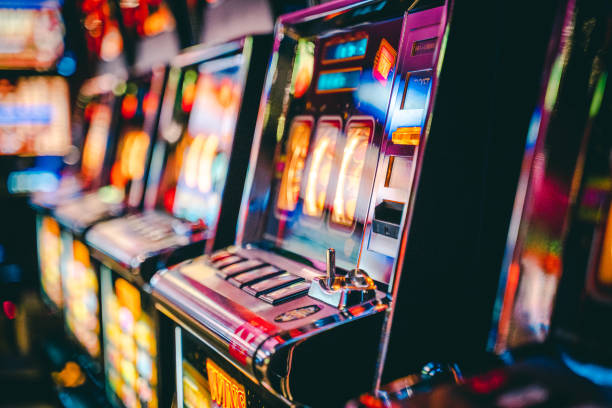
Moreover, the presence of casinos in urban landscapes has transformed nightlife. They serve as social hubs where people gather to experience excitement and entertainment. This shift reflects broader societal trends, as cities increasingly integrate leisure activities into their economic strategies, reinforcing casinos’ roles in community identity and economic development.
Economic Contributions and Social Responsibility
Casinos contribute significantly to local economies through job creation and tourism. They attract visitors from various regions, boosting spending in surrounding businesses such as restaurants, hotels, and retail shops. This economic boost can lead to improved public services and infrastructure, which communities may benefit from. However, this economic growth comes with the responsibility of promoting responsible gambling practices.
In recent years, many casinos have implemented initiatives to ensure responsible gaming. These programs educate patrons about the risks of gambling and provide resources for those who may need help. This focus on responsible practices aims to balance economic benefits with the potential social impacts of gambling addiction, showcasing a growing awareness of the need for community well-being.
The Social Dynamics of Gambling
The social dynamics surrounding casinos are complex. For many, casinos serve as spaces for social interaction and community engagement. Friends and families gather to enjoy entertainment, participate in events, and celebrate milestones. This communal aspect reinforces social bonds, making casinos more than mere places to gamble.
However, there are darker sides to this social landscape. The normalization of gambling can lead to problematic behaviors, and addiction can strain relationships and families. As such, it is essential for society to engage in open discussions about the implications of gambling, emphasizing both its potential benefits and risks.
Casinos and Technological Advancements
The evolution of technology has profoundly influenced the casino industry. The advent of online gaming and mobile applications has expanded access to gambling, making it more convenient than ever. This shift has opened new avenues for social interaction and gaming experiences, often blurring the lines between traditional casinos and digital platforms.
However, technology also presents challenges, particularly regarding regulation and responsible gambling practices. As online casinos become increasingly popular, it is crucial to address issues such as data security and the potential for addiction in a digital environment. Ensuring that technological advancements align with responsible practices will be vital for the industry’s future.

Conclusion: Navigating the Cultural Landscape of Casinos
The cultural impact of casinos on modern society is multifaceted, encompassing economic, social, and technological dimensions. While they offer entertainment and economic growth, they also pose challenges related to gambling addiction and societal perceptions. Understanding these dynamics is essential for fostering a healthy relationship with gambling.
As the conversation around responsible gambling continues to evolve, awareness and education will play critical roles in shaping the future of casinos. By promoting transparency and support, society can enjoy the benefits of this cultural phenomenon while mitigating its risks.


